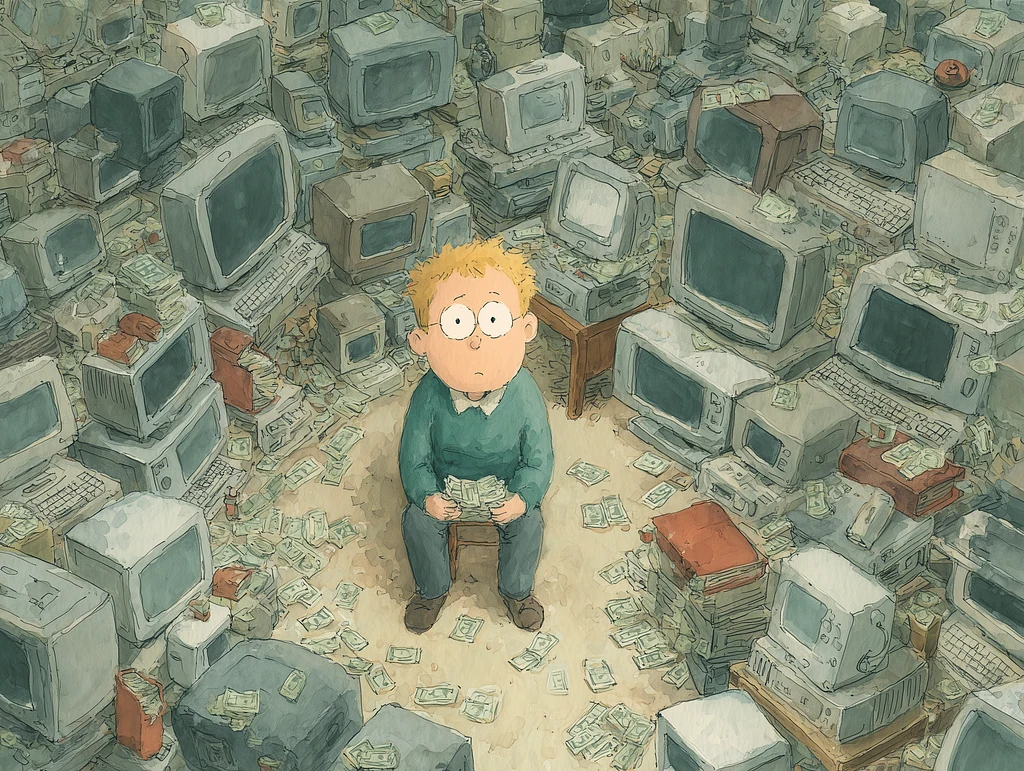
The early internet promised utopia: open plains of boundless, free information. Stewart Brand famously proclaimed, “Information wants to be free,” setting a digital Eden as the default expectation. Yet today, that ideal feels remote, an antiquated relic of digital innocence. The internet has fractured into distinct fiefdoms, each gated by varied currencies, where attention is taxed heavily in distraction, and genuine autonomy demands cold, hard cash.
Paying for YouTube Premium might seem trivial, a minor subscription to avoid ads. But beneath this seemingly simple transaction lies a deeper symbolic significance. A reclamation of attention sovereignty. It represents the quiet, deliberate act of rejecting involuntary cognitive taxation.
Attention Sovereignty: Regaining Cognitive Autonomy
Digital ads are more than mere interruptions; they’re invasive species, subtly colonizing cognitive terrain, dictating how and what we consume. Our attention, our scarcest resource in a noisy world, is systematically splintered by platforms designed for superficial engagement rather than meaningful interaction.
Opting for Premium, therefore, constitutes an understated rebellion — a declaration of cognitive dignity, akin to choosing an artisanal craft brew over mass-produced lager. It’s a nuanced affirmation that mental space merits preservation, clarity, and respect.
Previous generations inherited a curated cultural canon, fixed and universally endorsed artifacts like Hitchcock films, Beatles albums, or Hemingway novels. Today, our generation stands amidst an overwhelming explosion of digital content, often unguided, forced to develop our own evaluative discernment. We must cultivate the ability to consume with intention and rigor, navigating digital information much like sommeliers navigate the nuanced landscapes of terroir and vintage.
Just as modern eating habits evolved from unconsidered calorie consumption to mindful selections rooted in ethics, quality, and sustainability, our digital diets are evolving too. Young internet users increasingly recognize the intellectual nutrition found in fewer but richer engagements rather than gorging endlessly on ephemeral snippets.
YouTube Premium embodies this emerging ethos. Paying fosters intentionality, nudging users toward thoughtful selection over passive consumption. It aligns naturally with the cultural shift toward digital mindfulness, transforming passive spectators into deliberate curators.
Multiple Internets: Paying the Toll for Digital Serenity
Today, no monolithic “internet” exists. Instead, myriad internets coexist, each with distinct entry fees and conditions. The free, ad-driven internet has become noisy, manipulative, and draining. Subscription-based enclaves offer serenity, depth, and cognitive freedom.
This bifurcation underscores a cultural reckoning: free is seldom truly free; hidden costs emerge in attention, autonomy, and psychological resilience. Just as individuals willingly invest in organic produce or ethically made apparel, recognizing physical and ethical wellbeing as inherently valuable, there is now increasing recognition of digital quality as an essential dimension of holistic self-care.
Subscription costs — YouTube Premium, Netflix, Spotify, Substack — accumulate quickly. They might total the equivalent of a couple of monthly dinners out, yet, in context, that investment seems modest given the 20–30 hours we spend online monthly. These subscriptions become less indulgences than crucial investments in cognitive hygiene.
The Digital Divide: The Price of Digital Privilege
Nevertheless, intentional digital consumption remains inaccessible — or undesirable — for many. Just as not everyone prioritizes or can afford organic groceries, not everyone seeks or values an ad-free, distraction-resistant internet. A digital stratification emerges between the consciously intentional and the passively ad-driven, reflecting wider societal divides in privilege and access.
This divide raises critical ethical questions: does paying for premium digital experiences inadvertently deepen social stratification? Could quality digital content become a luxury accessible only to the privileged?
Perhaps. Yet, the alternative, a uniformly compromised digital commons suffocating beneath ads and superficial engagement, is equally problematic. Ideally, platforms will embrace hybrid models that balance universal access with premium options that respect and foster attention sovereignty.
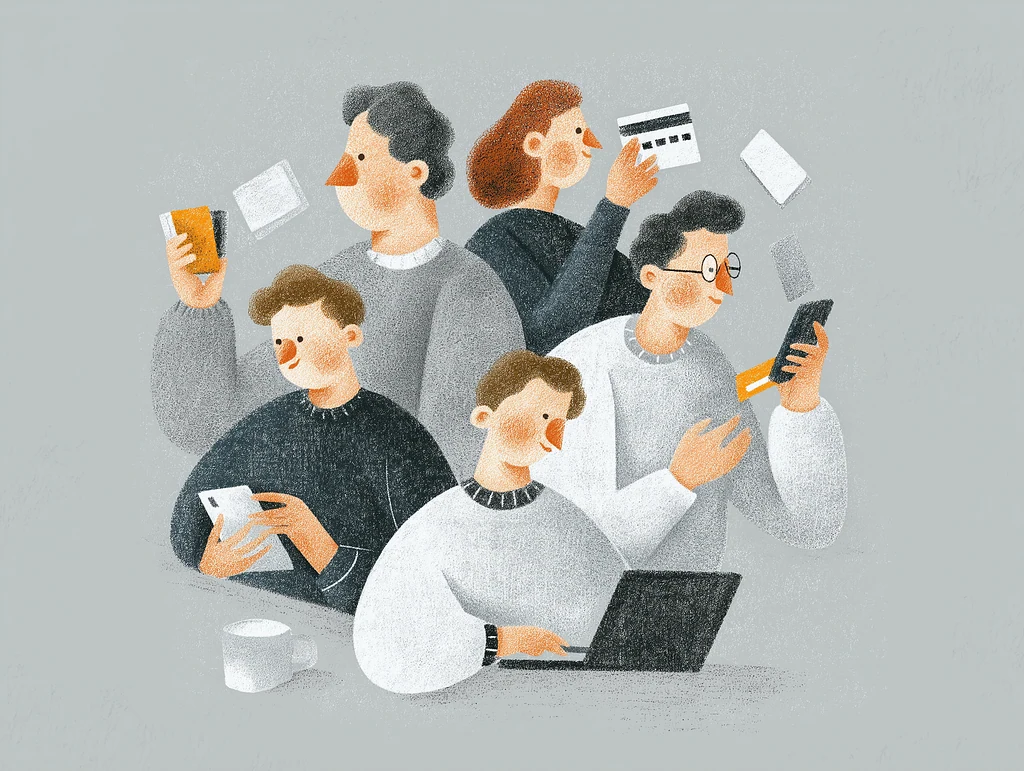
Choosing YouTube Premium transcends mere convenience; it constitutes active participation in shaping digital culture. It signals quiet rebellion against the entrenched norm of involuntary distraction. It marks a thoughtful, intentional shift toward sustainable digital consumption.
Paying for quality online is no longer mere extravagance — it’s cognitive self-care. Just as we’ve learned the virtues of mindful physical consumption, it’s imperative to practice mindful digital engagement.
Attention sovereignty, this subtle yet radical reclamation of cognitive autonomy, emerges as perhaps the most vital and quietly revolutionary skill of the 21st century.